


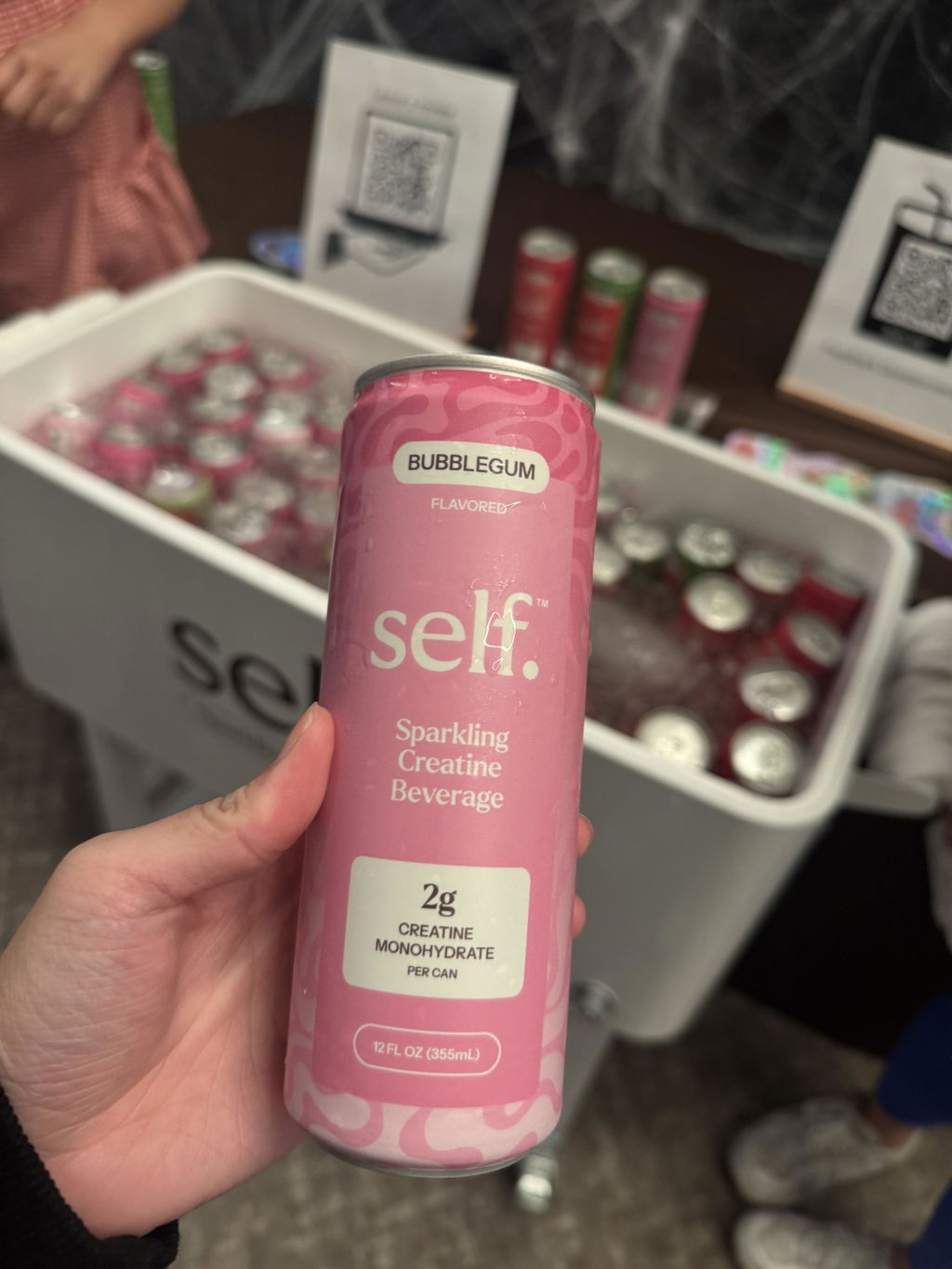

I tried the bubble gum flavor when they stopped by at my gym! It was so good and I can’t believe this is creatine! I’d rather drink this than a powder hahaha
A simple look at how creatine is absorbed, stored, and used to help power performance.

2 g creatine per can

Creatine
Small intestine (absorption)

Creatine in the bloodstream
Skeletal muscle

Creatine
Phosphocreatine (PCr)
Inside a muscle cell

Working muscle
Images for illustrative purposes only.
01 / 05
You drink a can of self. creatine, delivering creatine in a convenient ready-to-drink form.
02 / 05
Creatine moves through your digestive system and is absorbed in the small intestine into your bloodstream.
03 / 05
Your blood carries creatine to tissues that use a lot of energy, especially skeletal muscle.
04 / 05
Inside muscle cells, some creatine is stored as phosphocreatine — a fast backup energy reserve.
05 / 05
During short, intense effort, phosphocreatine helps recycle ATP, your body’s immediate energy source.


Fast ATP recycling
PCr donates a phosphate. ADP + Pi becomes ATP again.
Every contraction uses ATP. It turns back into ADP + Pi.
From the first sip to long-term benefits.
0–60 minutes
Creatine is broken down and absorbed in your digestive system, entering your bloodstream.
Hours
Creatine travels through your bloodstream and is taken up by muscle and brain cells, where it’s stored as phosphocreatine for energy.
Days
With daily use, phosphocreatine levels increase, helping your body and brain have more readily available energy when you need it.
Weeks
As your stores stay elevated, you can experience ongoing support for strength, power, endurance, focus, and high-intensity performance.
Creatine is not a stimulant.
It works by helping replenish rapid energy inside your cells.
Best results come with consistent daily use.
Build your stores. Unlock your potential.
self. is a sparkling creatine beverage built for everyday life. Here, we break down what creatine does, what the research shows, and why we chose CreaBev® for a ready-to-drink format.

Creatine is produced naturally by the body and found in foods such as meat and fish. It is one of the most studied compounds in sports nutrition.

Most of the creatine in your body is stored in muscle, where it helps support the creatine-phosphocreatine energy system. Phosphocreatine helps rapidly regenerate ATP, the molecule your cells use for immediate energy. 1
That rapid-energy role is why creatine is so closely associated with strength, power, and high-intensity activity. Creatine monohydrate is the most widely used and studied form of creatine.
1 ods.od.nih.gov~1g
your body makes every day
Your body naturally produces roughly one gram of creatine each day, primarily using processes in the liver and kidneys.
3
amino acids help make it
Creatine is synthesized from three amino acids: glycine, arginine, and methionine. It's something your body already knows how to make and use.
~95%
is stored in your muscles
Most of the creatine in your body is stored in skeletal muscle, where it helps rapidly regenerate ATP during periods of increased energy demand.
1
form we chose
Creatine monohydrate, the most widely studied form of creatine. self. uses CreaBev®, a creatine monohydrate developed specifically for ready-to-drink beverages.
Creatine isn't just a workout ingredient. It's naturally present throughout the body, with up to 95% of your total creatine stored in skeletal muscle and smaller amounts found in tissues including the brain.
Inside muscle cells, creatine and phosphocreatine are part of a rapid energy system. When energy demand rises, phosphocreatine helps regenerate ATP, the immediate energy currency your cells use to do work. Human studies show creatine supplementation can increase muscle creatine and phosphocreatine stores.
The brain has its own creatine-phosphocreatine system, helping support the constant energy demands of brain cells. Human imaging studies have shown that supplemental creatine can increase brain creatine levels and influence cerebral energy metabolism, although the brain response is different from muscle and continues to be studied.
Creatine does not create energy. It rebuilds the molecule your muscles spend first, so the next effort starts from a fuller tank.

Every contraction uses ATP. Because muscle stores only a limited amount, ATP has to be continuously regenerated as you move. 2
That's where phosphocreatine comes in. Stored in muscle, it helps rapidly recycle ADP back into ATP, providing a fast source of energy when demand rises.
2 link.springer.com01
A muscle contracts and uses ATP. Because only a small amount is stored at any one time, ATP has to be continuously regenerated to keep your muscles working.
02
Phosphocreatine helps do that fast. It donates a phosphate to ADP, rapidly rebuilding ATP so it can be used for energy again.
03
More creatine means more in reserve. Consistent creatine intake can increase muscle creatine and phosphocreatine stores, supporting rapid ATP regeneration during repeated, high-intensity efforts.
Creatine works by building and maintaining your body's creatine stores over time. Exactly when you take it appears to matter far less than taking it consistently.
Powder works, but it still means scooping, mixing, shaking, and cleaning up. None of that is difficult. It's just extra friction between you and something you want to do every day.
That's why self. uses CreaBev®, creatine monohydrate developed specifically for beverages, with technology designed to improve dispersion and stability in liquid.
Cold. Sparkling. Ready when you are. Daily creatine that feels like a drink, not another task.
Twelve fluid ounces. A range of flavors.
One simple way to get your daily creatine, cold, sparkling, and ready to drink straight from the can.
Choose the flavor that fits your day, choose your creatine dose, and crack one open.
Clinical Science · 1992
Creatine supplementation increases creatine stored in human skeletal muscle
Harris RC, Söderlund K, Hultman E. This foundational human study demonstrated that oral creatine supplementation significantly increases total creatine content in skeletal muscle.
Journal of Applied Physiology · 1996
Daily creatine builds and maintains muscle creatine stores
Hultman E, et al. About 3 g/day for 28 days produced a gradual ~20% increase in muscle total creatine, while a higher loading protocol reached a similar increase more quickly.
American Journal of Physiology · 1994
Creatine and phosphocreatine regeneration
Greenhaff PL, Bodin K, Söderlund K, Hultman E. Muscle was measured directly: creatine supplementation increased muscle creatine and, in responders, increased phosphocreatine resynthesis during recovery from intense contraction.
BMC Medicine · 2023
Creatine and cognitive performance
Sandkühler JF, et al. A preregistered, randomized, double-blind, placebo-controlled crossover study of 5 g/day for six weeks. Results suggested a possible small cognitive benefit, with mixed outcomes across tests.
Medicine & Science in Sports & Exercise · 1999
Creatine and resistance training: performance and muscle adaptations
Volek JS, et al. A randomized, double-blind study examining creatine supplementation alongside resistance training, including changes in strength, muscle creatine, body mass and muscle-fiber adaptations.
Glanbia Nutritionals · Ingredient resource
CreaBev® creatine monohydrate for beverages
Manufacturer resource from Glanbia Nutritionals on CreaBev®, the creatine monohydrate ingredient developed specifically for beverage applications. Reference material on the ingredient, not a peer-reviewed study.
5
reviews
I tried the bubble gum flavor when they stopped by at my gym! It was so good and I can’t believe this is creatine! I’d rather drink this than a powder hahaha
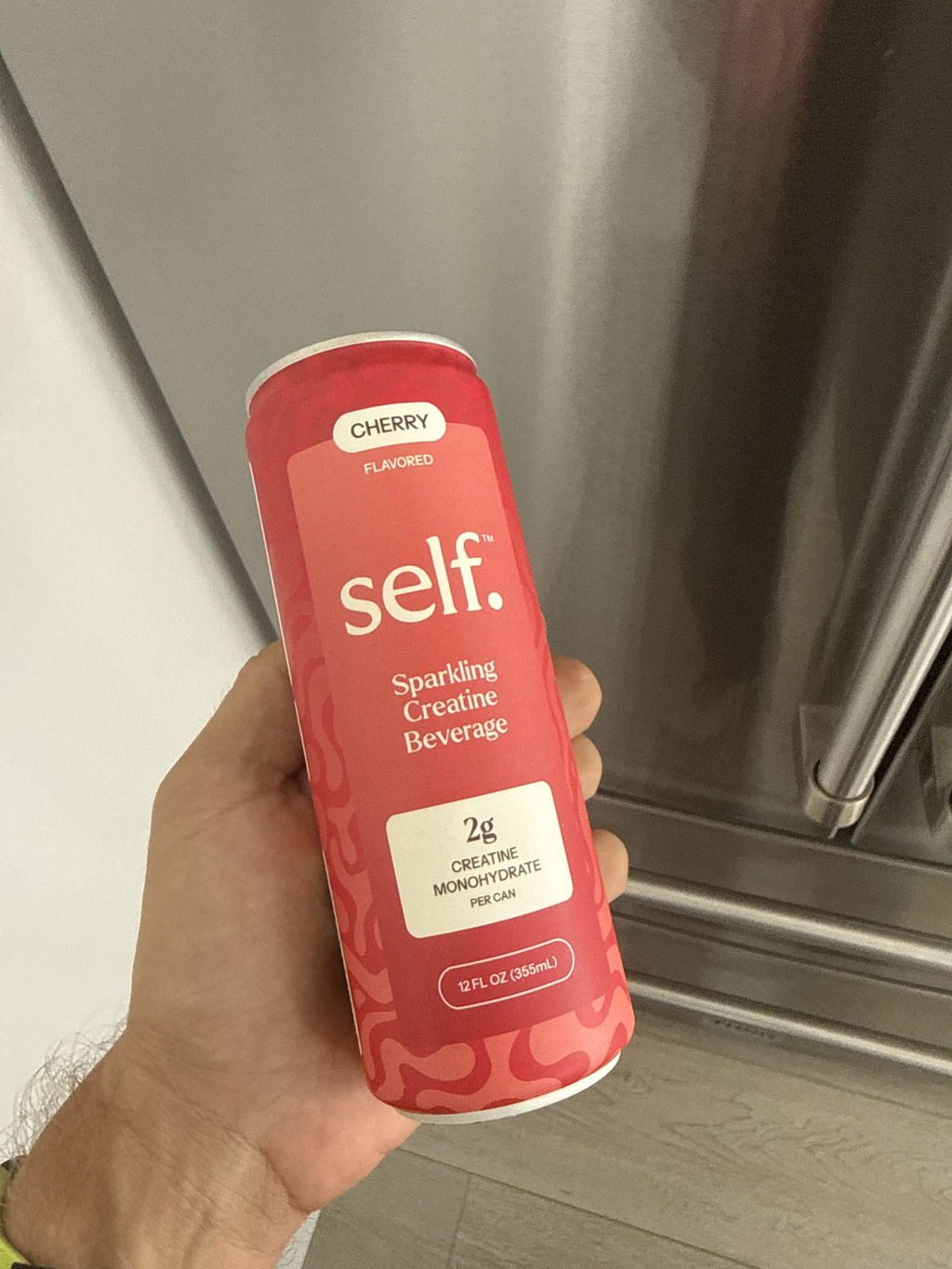
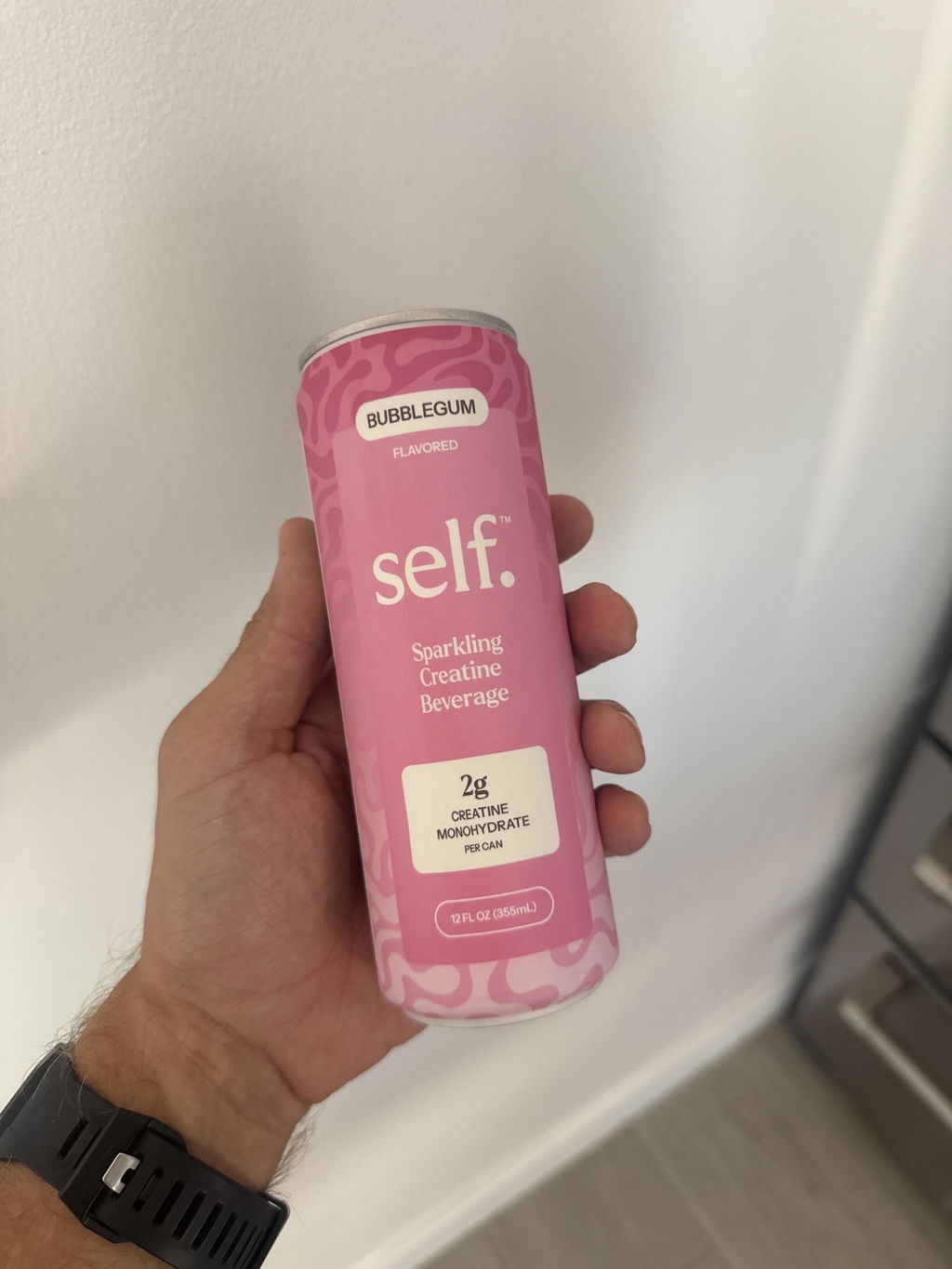
I like the flavor bubble gum and the fizz level is perfect. I think the cherry was very good but maybe a little string. The fizz is perfect Watermelon is my favorite. I think it is about perfect.
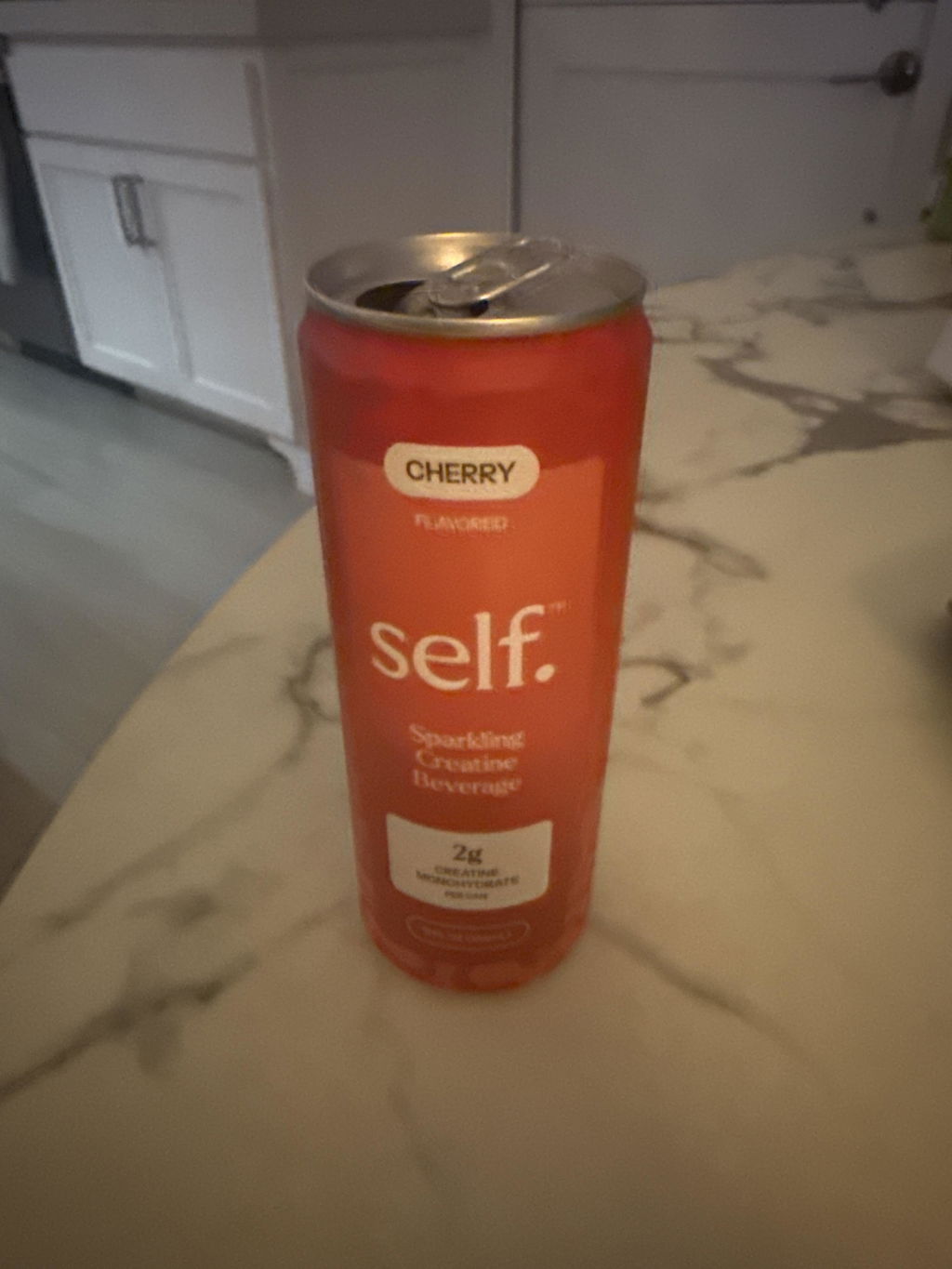
I like the amount of carbonation in the drink and the cherry flavor is very good! No after taste !
Stephanie

Your cart (0)